
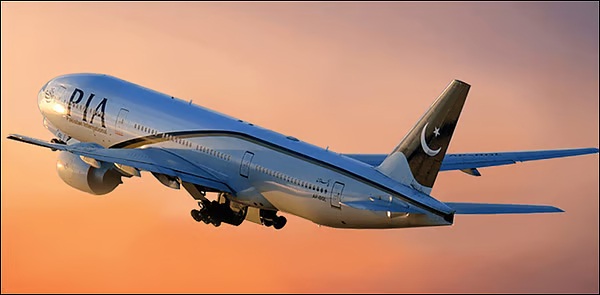
PIA’s Landmark Privatization: What Was Sold, What’s Left, and What It Means for You
Introduction: A New Chapter for Pakistan’s National Airline
Pakistan has finalized a landmark deal to privatize its national carrier, Pakistan International Airlines Corporation Ltd (PIACL), selling a 75% stake to a private consortium. This transaction marks the first major privatization in the country in two decades and represents a significant step in its economic reform agenda.
📢 Announcement: You can now access our services and similar analyses by opening an account with us via JS Global

This article breaks down the essentials of this historic sale. We will cover the details of the winning bid, the reasons this privatization was necessary, its strategic importance for Pakistan, what the new owners have acquired, and critically, what assets remain for shareholders of the holding company, PIAHCLA.
1. The Historic Deal: A Closer Look at the Bidding
Who Won and for How Much?
A consortium led by AHCL secured the winning bid for a 75% stake in PIACL with a total offer of Rs135 billion. The members of the winning consortium include:
- AHCL (lead)
- Fatima Fertilizer (FATIMA)
- The City School
- Lake City Holdings
- AKD (Pvt) Holdings
How the Money Works
The structure of the deal is designed to inject capital directly into the airline’s operations.
- The vast majority of the funds, 92.5% (Rs125 billion), will be reinvested back into PIACL as new equity through a rights issue. This capital will be injected in two tranches: an upfront payment of Rs83.25 billion, with the remaining Rs41.625 billion to be invested within 12 months.
- The remaining 7.5% (Rs10.1 billion) will go to the Government of Pakistan.
- The government will retain a 25% minority stake, though the consortium has the option to acquire this remaining share later, likely at a 12% premium.
2. Why Was This Privatization Necessary?
📢 Announcement: We're on WhatsApp – Join Us There!

The government’s decision to privatize the airline was driven by urgent financial and strategic needs. The sale was a key condition of Pakistan’s program with the International Monetary Fund (IMF).
For years, PIACL operated as a chronically loss-making state-owned enterprise (SOE), placing a significant and unsustainable burden on the country’s finances. The primary goal of the privatization was to ease this immense fiscal pressure by transferring the airline to private ownership, which is better equipped to manage its operational and financial challenges.
3. A Strategic Breakthrough for Pakistan
This successful transaction is more than just a sale; it is a strategic breakthrough for the nation with several key benefits:
- Boosts Investor Confidence: Completing a complex deal of this scale demonstrates a firm commitment to economic reforms, which can attract further domestic and foreign investment.
- Reinforces Policy Credibility: The sale helps the government complete a major transaction on its privatization agenda, reinforcing its credibility with international partners like the IMF.
- Removes a Financial Drag: Transferring the airline to the private sector could finally remove a long-standing drain on public finances, freeing up government resources for other essential services.
4. Understanding What Was Sold: The “New” PIA (PIACL)
The privatization deal was specifically for PIACL, the core aviation business of the national carrier. The new owners have acquired an airline with a significant footprint in the market.
Based on 2024 data, PIACL’s key attributes include:
- Market Position: It holds a 19% market share in Pakistan’s aviation sector.
- Fleet: It operates Pakistan’s largest fleet with 34 aircraft, of which 18 are currently operational.
To make the airline an attractive asset, the government executed a critical financial cleanup before the auction. It carved out the majority of PIACL’s crippling bank loans and other legacy liabilities, transferring them to the holding company (PIAHCLA). This financial cleanup had a dramatic effect: the company’s loss before tax was reduced from Rs101.5 billion in CY23 to just Rs3 billion in CY24. Furthermore, the realization of a deferred tax asset turned this into a Profit After Tax of Rs26.2 billion, making the core airline operation profitable on paper just before its sale.
5. For Shareholders: What’s Left in the Holding Company (PIAHCLA)?
For those who own stock in the holding company (PIAHCLA), it is vital to understand that the sale of the airline does not mean a sale of all assets. PIAHCLA retains significant holdings.
Key Remaining Assets:
PIAHCLA continues to own a portfolio of valuable assets that were not part of the PIACL sale:
- A 25% Stake in the Airline: The holding company retains a minority share in the newly privatized PIACL.
- Valuable International Hotels: Through its subsidiary, PIA Investments Ltd (PIAIL), PIAHCLA owns prime international real estate. These were excluded from the deal and include:
- The Roosevelt Hotel in New York
- The Scribe Hotel in Paris
- These properties have a total asset base valued at US$744 million (Rs208 billion).
- Other Subsidiaries: The holding company also retains ownership of Skyrooms (Pvt) Ltd and Sabre Travel Network (Pvt) Ltd.
The Financial Reality:
Despite these valuable assets, PIAHCLA faces a significant financial challenge. The company still holds total liabilities of more than Rs950 billion. Due to the high finance costs associated with servicing this enormous debt, PIAHCLA is expected to remain in a loss-making position.
6. The Bottom Line for PIAHCLA Shareholders
Owning PIAHCLA stock now represents a stake in a complex holding company. On one hand, it holds valuable international hotels and a minority share in a revitalized, privately-run airline. On the other, this is set against an immense amount of legacy debt.
Based on the sale price of its primary asset (the airline), the deal implies a valuation of Rs34.39 per share of PIAHCLA. While the new owners face the task of turning around an airline with decades of legacy inefficiencies, the future value for PIAHCLA shareholders will depend on management’s ability to strategically leverage or liquidate its prime international assets to service the immense legacy debt that remains—a challenge separate from the airline’s own operational turnaround.
⚠️ This post reflects the author’s personal opinion and is for informational purposes only. It does not constitute financial advice. Investing involves risk and should be done independently. Read full disclaimer →



Leave a Reply